
SolAgra Farming™ and the sunsharing revolution |
|
SolAgra Farming® offers an alternative to traditional solar development, one that conserves the land, continues farming operations and produces renewable energy, creating a true solar farm. The dual use of farmland allows the solar developer to avoid costly land acquisitions and it provides the farmer with a second income from their farmland. This makes agriculture more financially viable for the farmer.
|
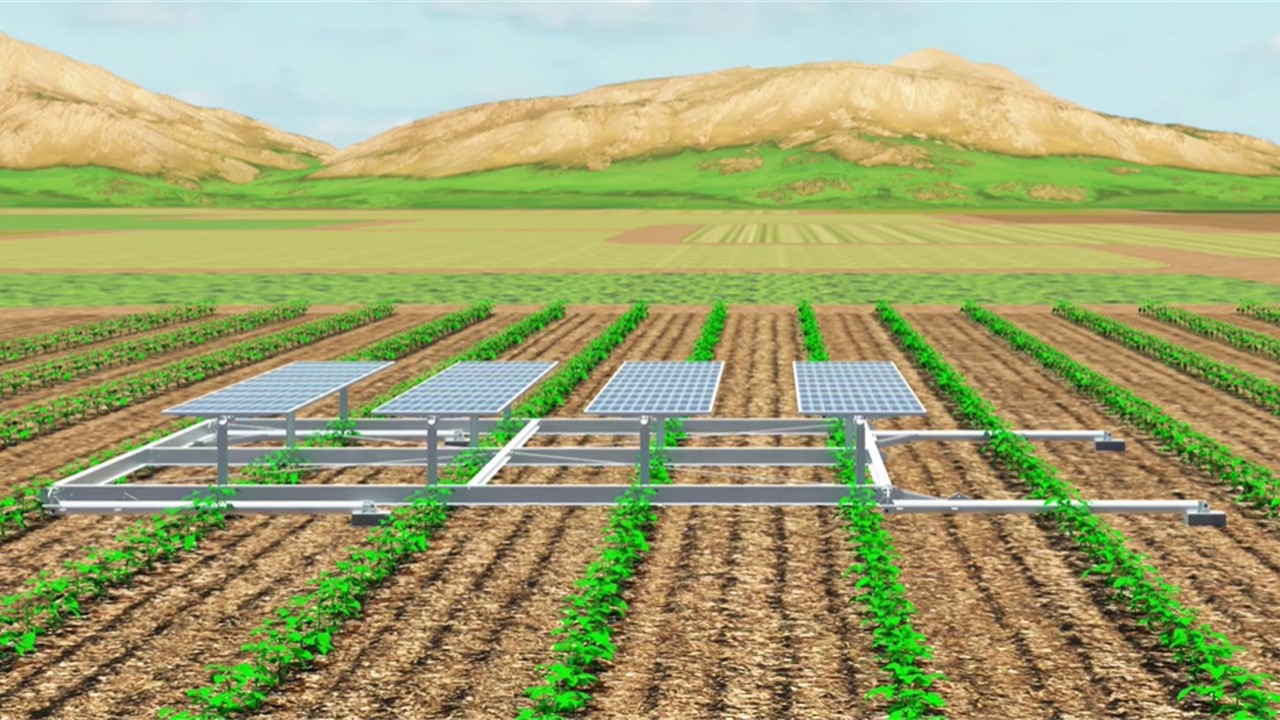
Many farms are sunny, flat and near urban areas. This is the perfect place for a SolAgra farm. Using our patented technologies: Counter Tracking™, Dynamic Shifting™, SunSharing™ and SunShading™ - we combine elevated solar platforms with conventional farming techniques beneath - this allows SolAgra farms to be developed almost anywhere.
|
|
|
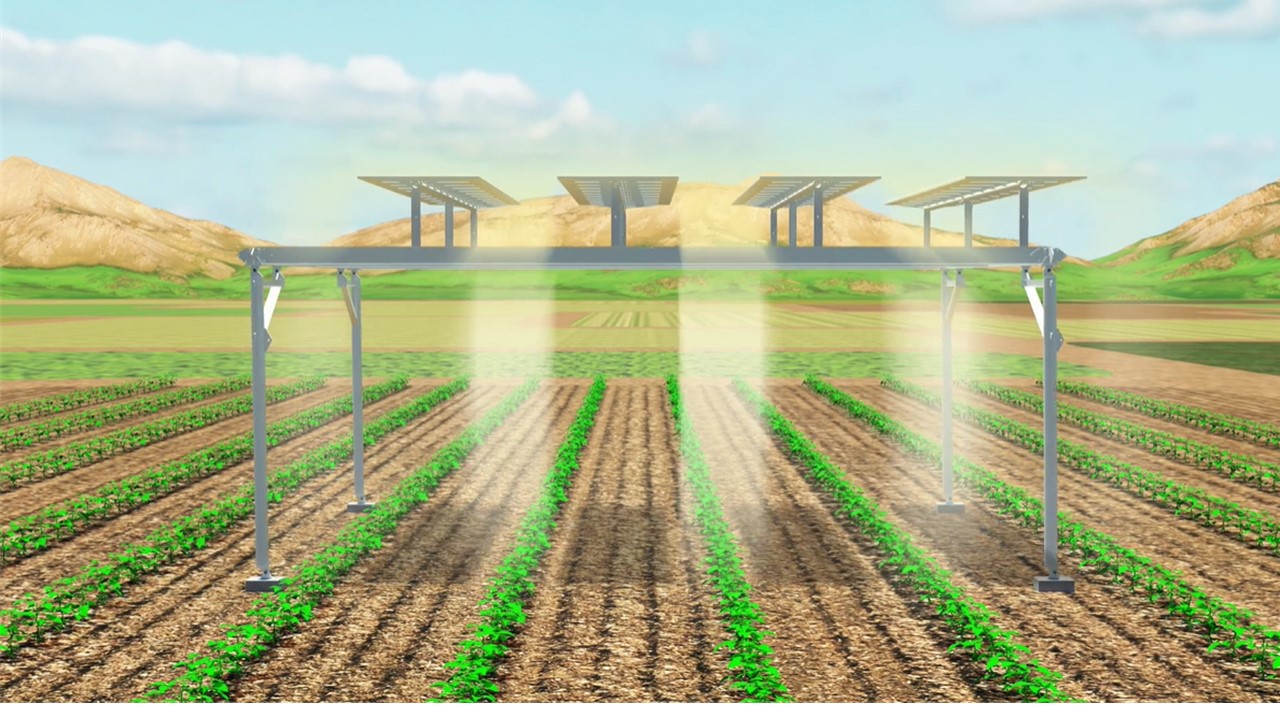
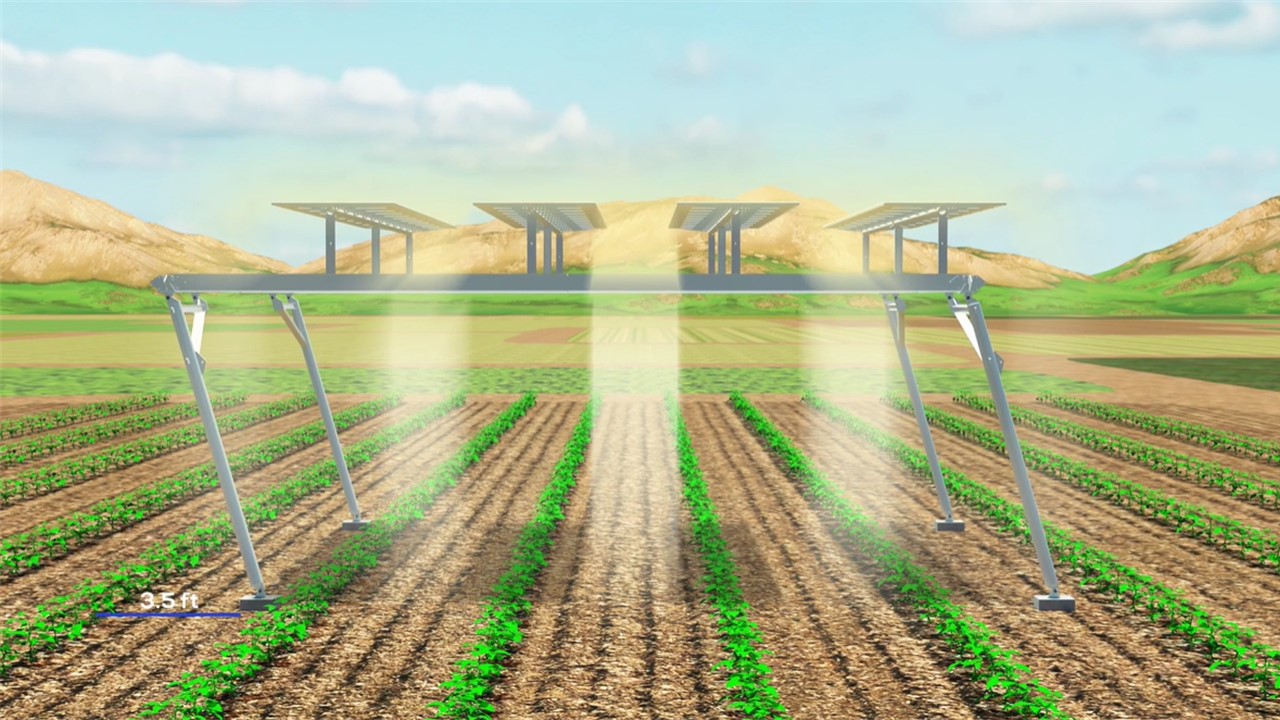
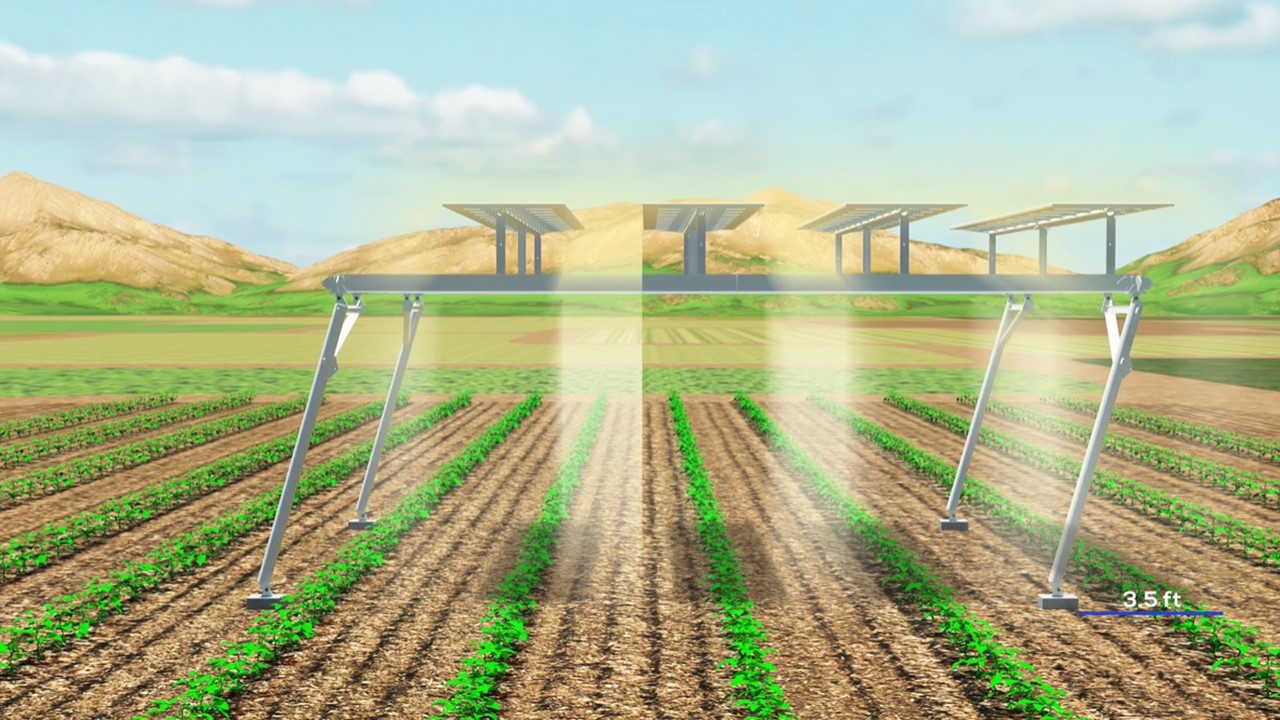
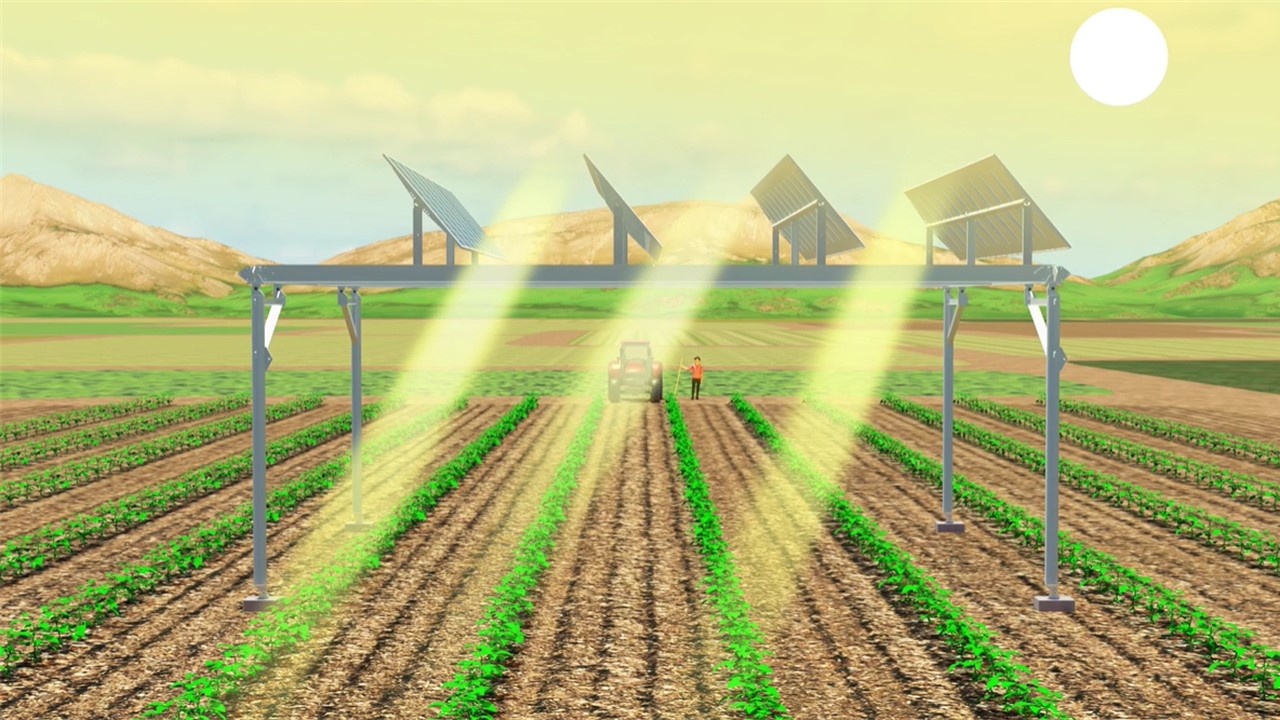
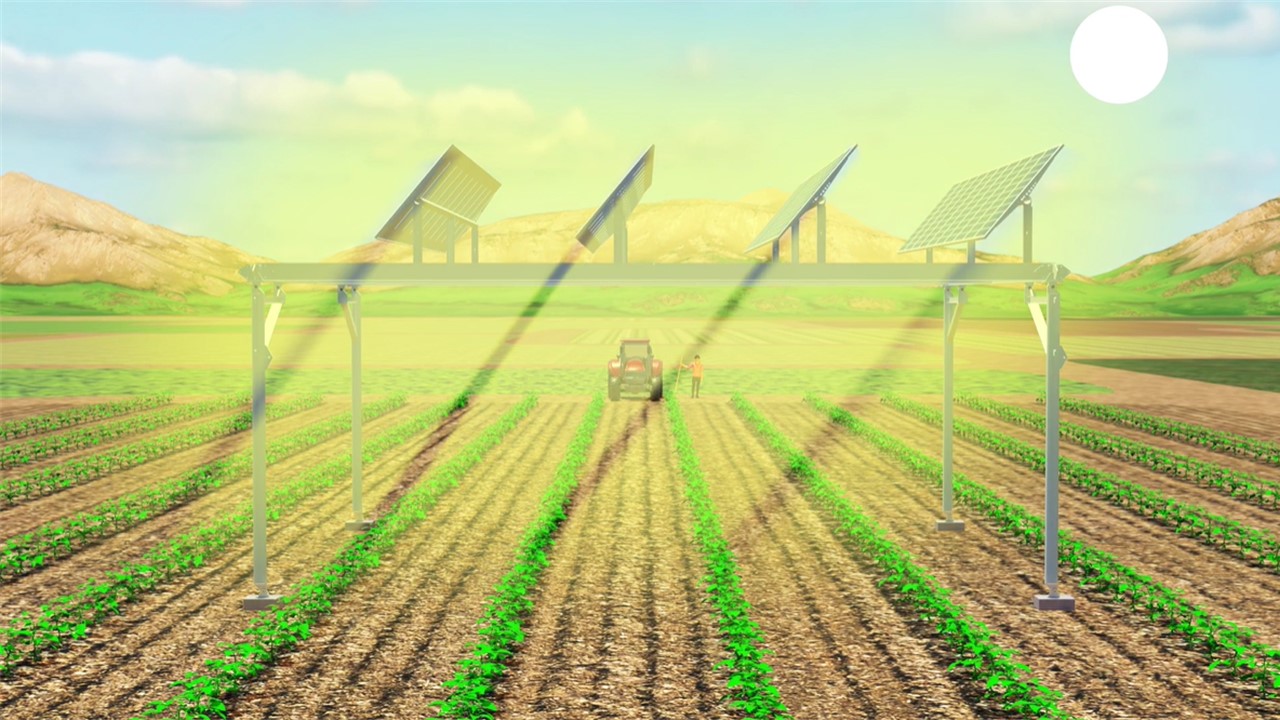
Our Dynamic Shifting™ hinged design allows for quick construction and also variable movement of the array, which enables the sunlight control techniques known as: SunSharing™ and SunShading™. By using the hinges to physically move and tilt the array columns, we can control how much shade or sunlight reaches any part of the of the field beneath the array at any time of day.
|
|
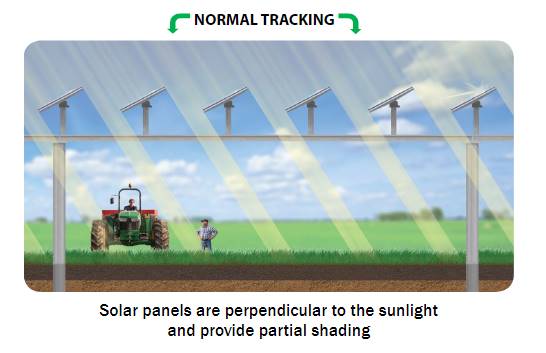
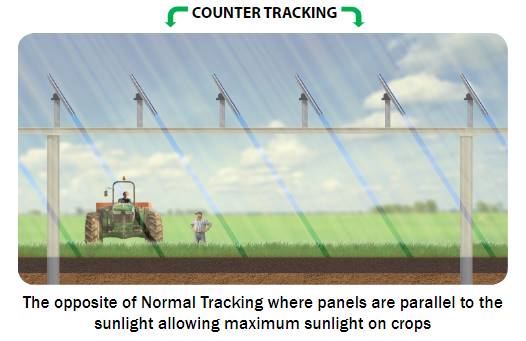
Solar panels normally track the sun. In certain conditions Counter-Tracking is used. This is a technique that rotates the solar panels 90 degrees from the sun, to allow for the passage of additional sunlight to the field when needed by the crops.
|
|
|
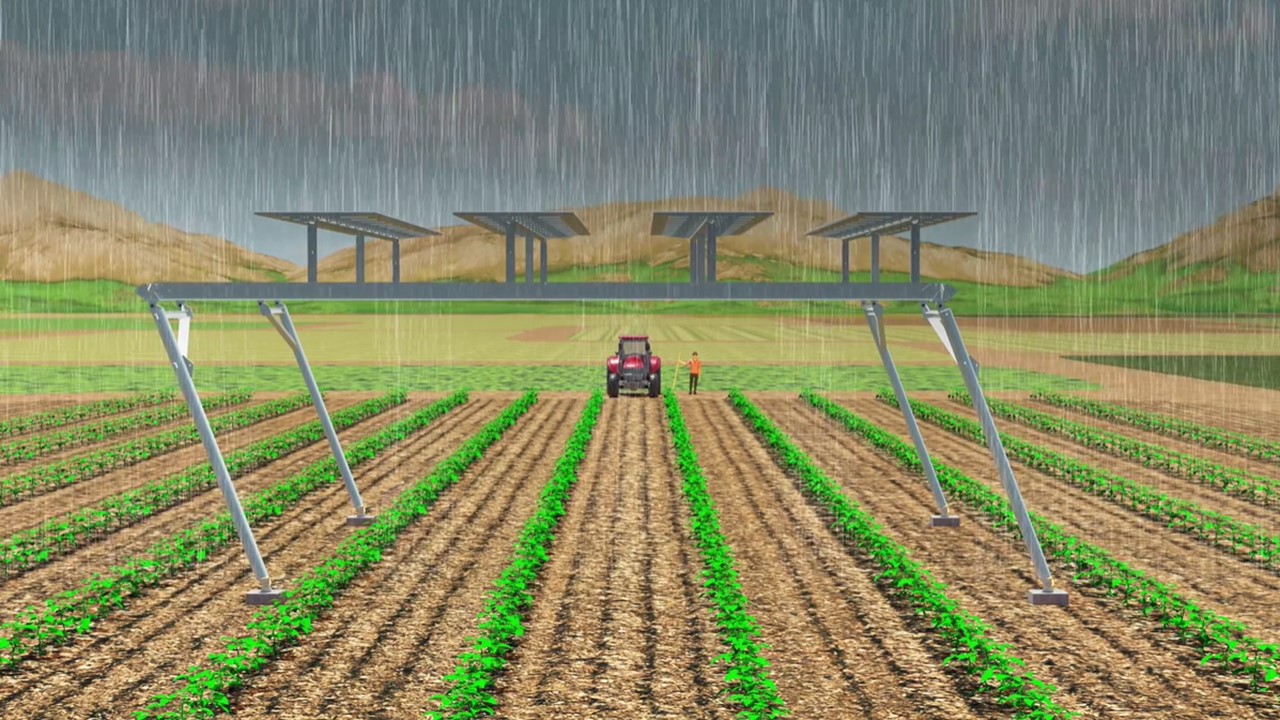
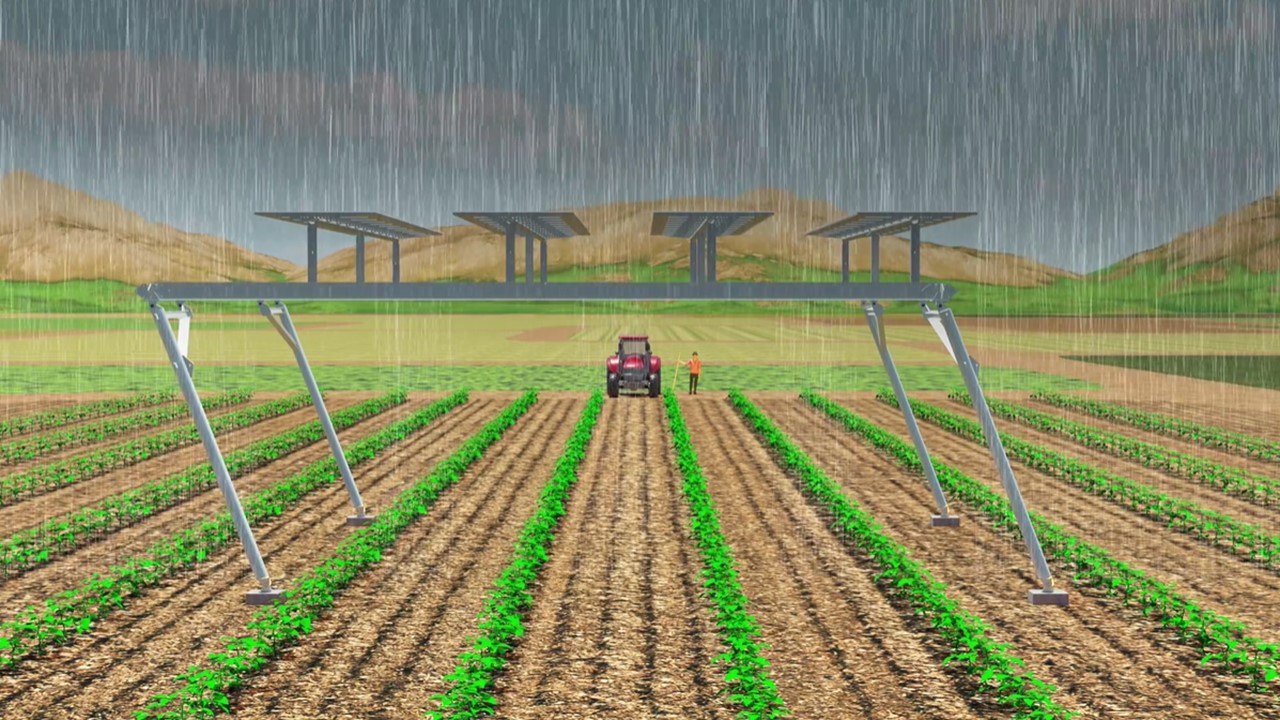
The east-west movement of the SolAgra Solar Platform can also protect high value row crops and vines like grapes, berries, and tomatoes from extreme weather such as unseasonal rain and hail, or from excessive heat and sun, by protecting the crops using the “umbrella effect” which uses solar panels to shield the crops from weather when necessary.
How does SolAgra Farming™ work?
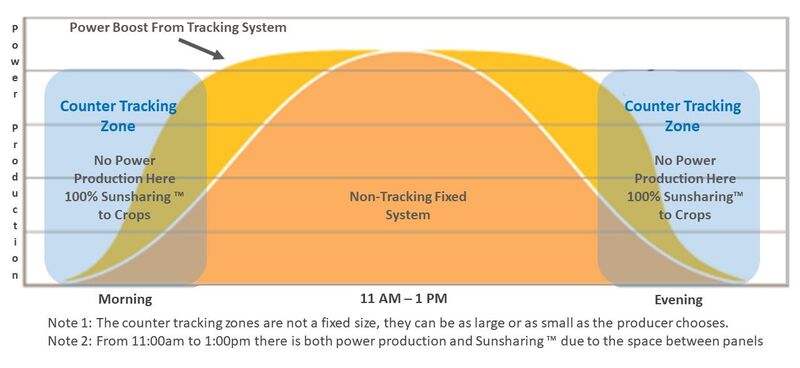
SolAgra® has developed a patented design we call SolAgra Farming®, which allows for solar panels and crops to share the solar resources of the same unit of land. We do this by using a combination tracking and light passage technologies. When combined, these technologies allow the crops to get all sun that they need, while the panels above generate electricity. The solar panels will be mounted on arrays that are 10-16 feet above the ground to allow for large modern farm equipment to pass beneath.
|
|
|
Counter Tracking utilizes single axis solar trackers to maximize solar energy yield for both crops and panels. These infographics explain how Counter Tracking and SunSharing work.
|
Can agricultural lands support solar production?
Land that is good for agriculture is also useful for solar farming. It's flat and sunny and until recently, it was assumed that any sunshine you take for solar energy production is sunshine that you take away from crops. But recent research is demonstrating that crops can actually be enhanced with the right solar array. At SolAgra® we have developed solar platforms and arrays to specifically to allow for light passage to crops. Plant scientists at UC Davis are working in partnership with us to discover the perfect crops and light saturations for maximum crop yields. In many cases, yields can be improved with the addition of shade.
Why put solar panels above crops?
Just as the wind industry has had success developing on farmland, we believe that PV solar can accomplish that same success. Agricultural land is generally sunny, flat and in many places is close to existing power lines and urban areas; these characteristics are precisely what constitutes good land for developing PV arrays. Also adding solar arrays on farmland will provide value with a new commodity in addition to food, energy. Using already developed agricultural land also provides the added benefit of conservation of wild desert lands where solar production has traditionally been developed and proposed.